
Dental News
Dental News
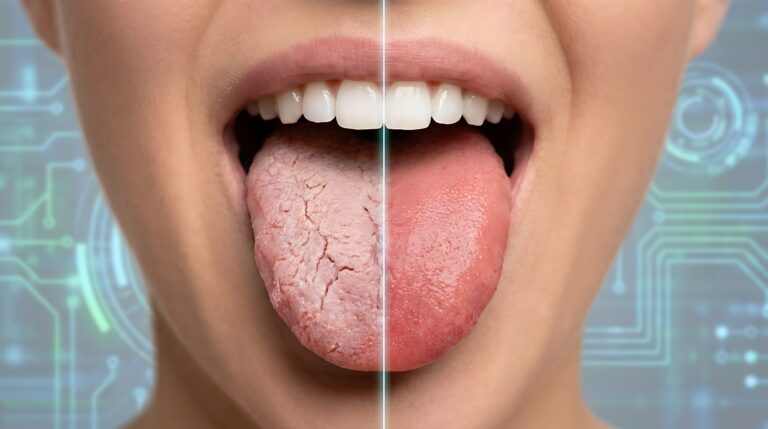
Dry Mouth
Dry mouth, also known as xerostomia, is a very common symptoms for patients where the salivary glands in your mouth don’t produce enough saliva. This has become increasingly common throughout our patient base. There are a range of patients that suffer with the havoc that chronic dry mouth causes on their overall oral health.
Though often not thought about, our saliva does several important things for our oral health. It is the buffer to acidic things that we eat and drink, as well as the acid that our own body often makes in instances of acid reflux or acids that the bacteria in our mouth produce. We tell our patients that enamel is extremely hard and strong but it is very susceptible to acid which leads to demineralization and ultimately caries or tooth decay.
One of the most common causes for patients to constantly need fillings, root canals or dentistry to be replaced is a direct result from dry mouth. When someone lacks normal salivary flow, the plaque and biofilm that we all get becomes very sticky and difficult to remove. We often tell our dry mouth patients that they need to brush twice as often and twice as long as someone with normal salivary function.
There are a wide range of causes of chronic dry mouth. Smoking, medications, medical conditions and even anatomy are all causes. Many of the most commonly prescribed medications have the result of dry mouth. We often encourage patients that are struggling with dry mouth to consult their PCP to see if there is an alternative to the medication that is causing it. It is common for patients that are being treated for diabetes, high blood pressure, depression, cancer and breathing disorders to experience chronic dry mouth. Patients that lack the ability to breath through their nose and are “mouth breathers” commonly experience the effects of dry mouth. Those that routinely take breathing treatments and use inhalers often experience severe dry mouth and its effects.
Though there is sometimes no way for a patient to remove the underlying cause of their dry mouth, there are several treatments and diet modifications they can make to improve their oral health. Mouth washes labeled “for dry mouth” do have a range of benefits. They make the mouth more comfortable, help buffer the PH and even help prevent cavities by incorporating fluoride in the rinse. We often encourage patients to use these mouth washes right before bed. When you have dry mouth, the last thing you put on your teeth often stays there over a long period of time due to the lack of salivary flow. If a fluoride containing mouth wash is the last thing on them, it will strengthen the teeth for several hours. Conversely, if the last thing someone with dry mouth gets on their teeth before bed is a sugary or acidic drink, it will create the perfect environment for tooth decay. We often tell our patients that when you have dry mouth, you have to give up drinking sugary and acidic drinks altogether to prevent cavities from forming. We have had several patients that have had very healthy teeth for years and suddenly come in for a cleaning to find that they have 8-10 teeth with tooth decay present. Another preventative measure to treat tooth decay from dry mouth is more frequent cleanings along with fluoride varnish application. This not only removes sticky plaque and buildup, but it also strengthens weak and decalcified areas around restorations. Frequent cleanings also help us find tooth decay before it gets large, which often leads to more invasive and costly treatment.
Patients who have had head and neck radiation are often those that have the worst experience with dry mouth. The radiation or surgery often renders the salivary glands to no longer function. For those patients it is critical that they have fluoride trays made and maintained by their dental team. Fluoride trays are a tray made from a scan or impression of your teeth that are similar to a bleaching tray. The patient applies a small amount of sodium fluoride gel every day for 5-10 minutes after they have brushed and flossed. This is often done right before bed to get the most preventative benefit.
If you or someone you know is struggling with dry mouth our team at Sulphur Spring Dental are here to help. We have very knowledgeable doctors and hygienists that are committed to providing the very best care for our patients!


Office Hours
Monday – Wednesday:
8:00 – 5:00
Thursday: 8:00 – 4:00
Friday: 8:00 – 3:00
Saturday & Sunday: Closed
Areas Our Dentists Serve
We’re proud to serve all of East Texas! Our team are top rated and reviewed dentists for Sulphur Springs, Emory, Cumby, Yantis, Cooper, Winnsboro, Mt. Pleasant, Greenville, Como-Pickton and Mt. Vernon patients!
© Copyright 2025 by Sulphur Springs Dental